
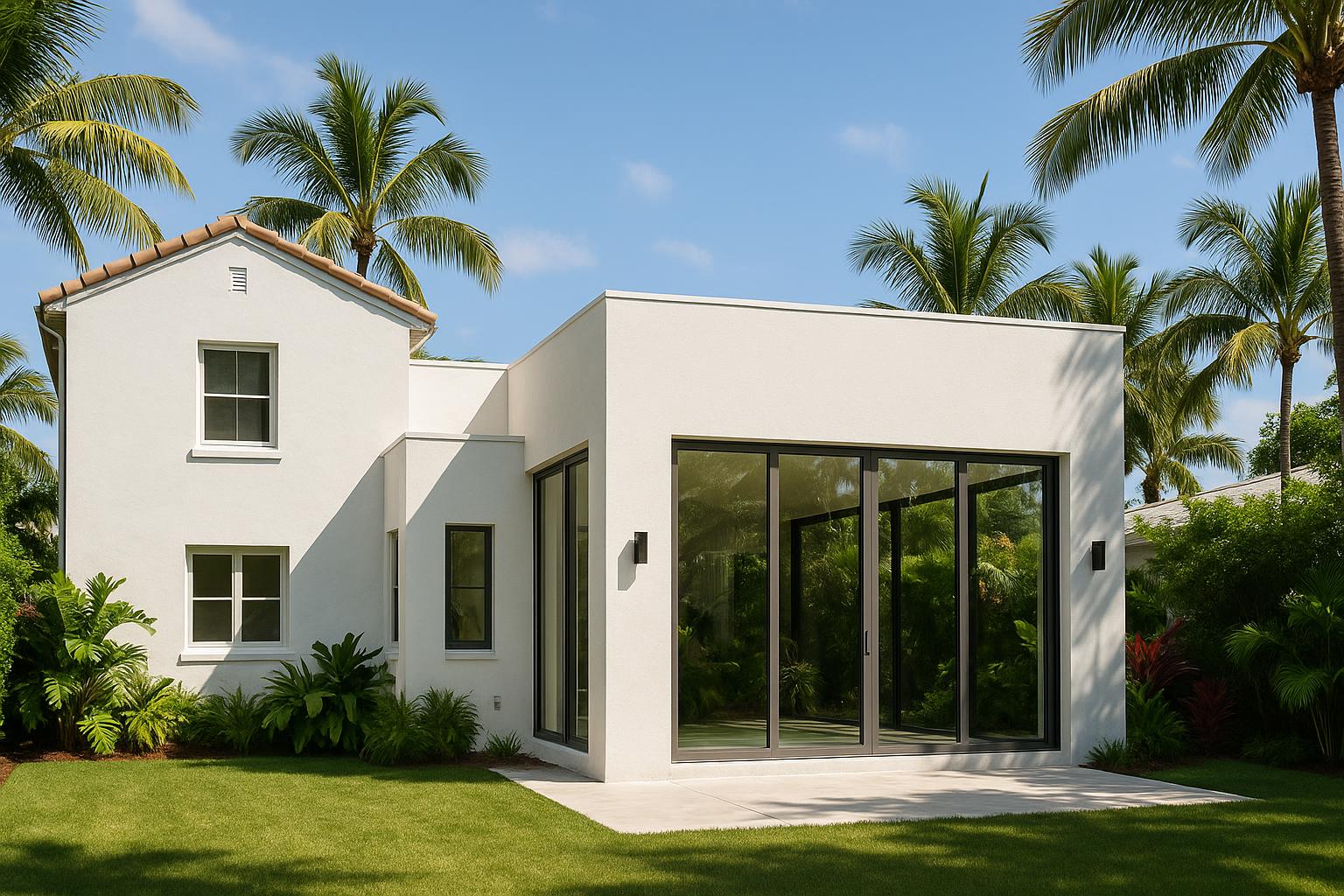
Why Miami Beach Homeowners Are Choosing Home Additions
Miami Beach real estate is among the most valuable in the country, and it's no secret that space comes at a premium. Whether your family is growing, you need a dedicated home office, or you simply want more room to entertain, a home addition can be a smarter investment than buying a new property. Instead of uprooting your life and competing in a fierce housing market, you can expand the home you already love.
But planning a home addition in Miami Beach isn't quite the same as doing it in other parts of the country. Between strict zoning regulations, flood zone requirements, and the unique architectural character of the area, there's a lot to consider before you break ground. This guide walks you through the entire process so you can move forward with confidence.
Step 1: Define Your Goals and Budget
Before you contact a contractor or architect, take time to clarify exactly what you need. Ask yourself these questions:
- What is the primary purpose of the addition? (Extra bedroom, expanded kitchen, in-law suite, home office)
- How many square feet do you realistically need?
- What is your maximum budget, including a contingency of 10-15% for unexpected costs?
- Do you plan to stay in the home long-term, or are you building to increase resale value?
Having clear answers to these questions will guide every decision that follows and help your contractor provide an accurate estimate. In Miami Beach, home additions typically range from $200 to $400+ per square foot depending on the scope, finishes, and structural complexity involved.
Step 2: Understand Miami Beach Zoning and Building Codes
This is where many homeowners get tripped up. Miami Beach has specific zoning regulations that dictate how much of your lot you can build on, how tall your structure can be, and how far it must sit from property lines. Key terms to understand include:
- Floor Area Ratio (FAR): This determines the maximum total square footage allowed on your lot relative to the lot size.
- Setback requirements: These specify the minimum distance your structure must be from the front, rear, and side property lines.
- Height restrictions: Depending on your zoning district, there are limits on how tall your addition can be.
- Flood zone compliance: Much of Miami Beach sits in a FEMA flood zone, which means your addition may need to meet specific elevation requirements.
Working with a remodeling company that has deep experience in Miami Beach is essential here. A contractor who understands local codes can identify potential issues early and save you from costly redesigns or permit delays.
Step 3: Hire the Right Team
A successful home addition requires collaboration between several professionals. At minimum, you'll likely need:
- A licensed general contractor experienced in residential additions and local building codes
- An architect or designer who can create plans that maximize your space while meeting code requirements
- A structural engineer to ensure your existing foundation and framing can support the new construction
When vetting contractors, ask for references from projects completed in Miami Beach or nearby areas like Surfside, Bal Harbour, or Coral Gables. Local experience matters because every municipality has its own permitting quirks and inspection processes.
Red Flags to Watch For
Be cautious of contractors who offer unusually low bids, pressure you to skip permits, or can't provide proof of insurance and licensing. In Florida, all general contractors must hold a valid state license, and you can verify credentials through the Florida Department of Business and Professional Regulation.
Step 4: Design With Miami Beach Living in Mind
Your addition should feel like a natural extension of your existing home, not an afterthought. Consider these design principles that work especially well for Miami Beach properties:
- Indoor-outdoor flow: Large sliding glass doors, covered patios, and open floor plans take advantage of the subtropical climate and make spaces feel larger.
- Hurricane-rated materials: Impact windows, reinforced roofing, and wind-resistant construction aren't optional here — they're essential and often required by code.
- Moisture and mold resistance: Miami Beach's humidity demands careful material selection. Opt for moisture-resistant drywall, proper ventilation systems, and mold-resistant insulation.
- Energy efficiency: High-performance windows, quality insulation, and efficient HVAC systems will keep your energy bills manageable year-round.
If your home has a distinctive Art Deco or Mediterranean Revival style — both common throughout Miami Beach and South Beach — your architect should design the addition to complement that character rather than clash with it.
Step 5: Navigate the Permitting Process
In Miami Beach, virtually any structural addition requires a building permit. The permitting process generally involves:
- Submitting architectural plans and engineering documents to the City of Miami Beach Building Department
- Review by multiple departments including zoning, structural, mechanical, electrical, and plumbing
- Addressing any revision requests or corrections
- Receiving your building permit and scheduling inspections throughout construction
Permit timelines in Miami Beach can vary widely. Simple projects might get approved in a few weeks, while more complex additions could take two to three months or longer. An experienced contractor will handle the submission process and follow up with the city on your behalf, keeping the project moving forward.
Step 6: Prepare for Construction
Once permits are in hand, it's time to prepare your home and your family for the construction phase. Here's what to expect:
- Temporary disruption: Depending on the scope, you may lose access to certain areas of your home. Discuss a phasing plan with your contractor to minimize inconvenience.
- Noise and dust: Construction is inherently messy. A good contractor will use dust barriers and clean up daily, but some disruption is unavoidable.
- Regular communication: Insist on weekly progress updates and a clear timeline with milestones. Transparency prevents misunderstandings and keeps the project on track.
Most home additions in Miami Beach take between three and six months to complete, though timelines can extend if there are permitting delays, material shortages, or weather interruptions during hurricane season.
Step 7: Final Inspections and Enjoying Your New Space
After construction wraps up, the city will conduct final inspections to verify everything was built according to the approved plans and meets all code requirements. Once you receive your Certificate of Completion, the space is officially yours to enjoy.
This is also the time to address any punch list items — small imperfections or finishing touches that need attention. A reputable contractor will walk through the completed addition with you and resolve any issues promptly.
Is a Home Addition Right for You?
If you love your Miami Beach neighborhood but need more space, a well-planned home addition can transform your property and significantly increase its value. The key is working with a team that understands the unique challenges and opportunities of building in this area.
At ADU Contractors Pros, we specialize in home additions, ADU construction, and full-scale renovations throughout Miami Beach, North Bay Village, and the surrounding communities. From initial design through final inspection, we handle every detail so you can focus on enjoying the extra space you've always wanted. Contact us today to schedule a consultation and start planning your home addition.